Explain the Three Steps You Can Take to Increase Perceptual Accuracy.
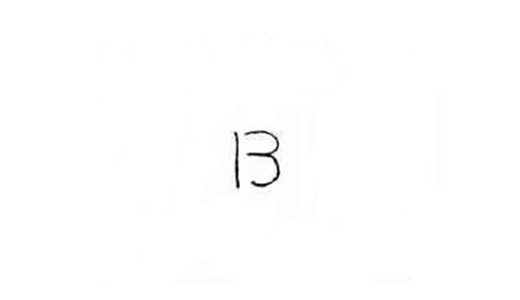
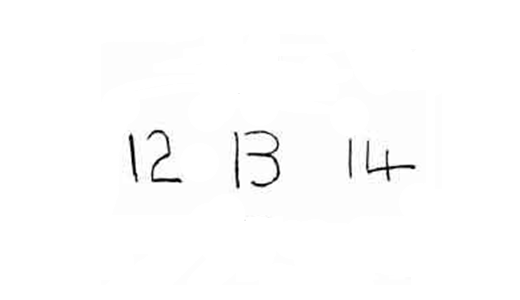
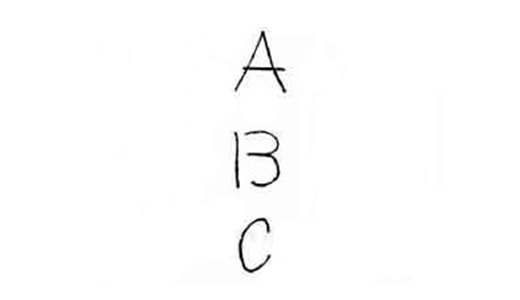
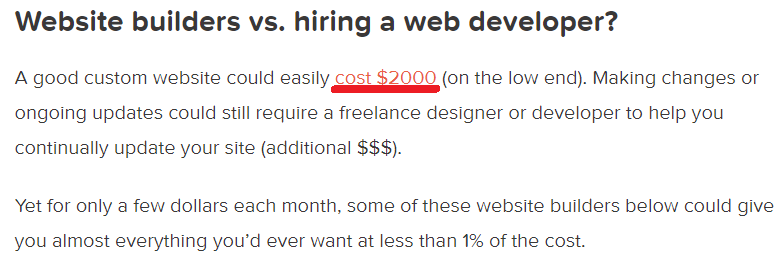
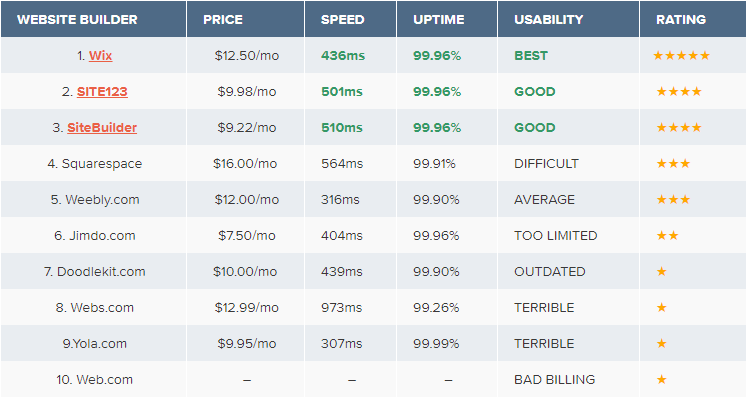
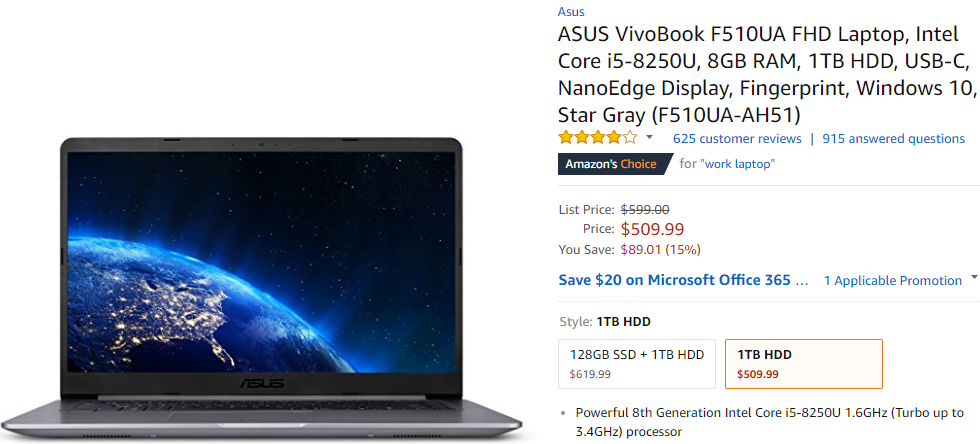
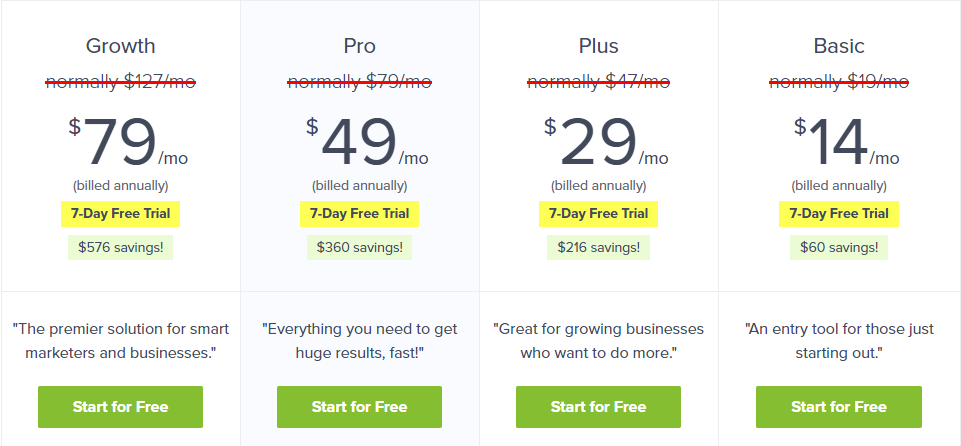
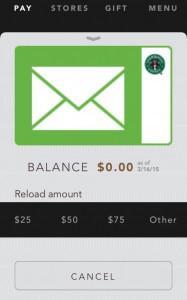
What do you see in the below image? A duck? Look again ... a rabbit? Yous've probably encountered this image earlier. The duck or rabbit optical illusion is one of the oldest and most controversial optical illusions. First used past American psychologist Joseph Jastrow in 1899 to prove that perception involves not simply visual activity but also mental activity, the duck or rabbit drawing is one of the primeval, most popular examples of the perceptual set theory. Besides the fact that different people tend to come across the prototype differently, what makes the duck or rabbit illusion more interesting is that people tend to encounter different things at dissimilar times of the year: for case, during the Easter flow (thanks to the "bunny" association) people are more likely to see a rabbit give thanks a duck while they are more likely to see a duck in October. Which goes to evidence that what we see is about more than than just what is really there -- only more about what is happening to -- or around -- u.s.. An fifty-fifty more interesting and related example is the 13 or B illusion. Take a look at the prototype beneath: Is that a B or a 13? While you could confidently wager on it being 13, or B, you're near likely biased. Here's why -- in two images: Image i: Paradigm 2: As you lot can see from the to a higher place examples, what precedes the controversial "B or 13" influences what y'all see. You're most likely going to see the figure if figures precede and yous're most likely to encounter the letter if letters precede. That, in essence is perceptual set in activeness: Whether information technology'due south looking at ducks or rabbits, the letter B or figure 13, or an image of the famous Loch Ness monster (which is arguably a tree body), psychologists have observed that people are likely to see different things while looking at the same object -- and that what they encounter is influenced by several factors, including their culture, gender, background, and fifty-fifty information previously available to them. In essence, this means you could show people the aforementioned argument or image and they'll come across information technology in a different way. This is good news for you as a marketer. With a clear understanding of the perceptual prepare theory, you can more than intently position your marketing messages and offers in a style that people meet exactly what you want them to see regardless of their background, positioning you lot for maximum ROI from your marketing efforts. Here are some ideas: When users visit your website, they have sure expectations when information technology comes to certain elements of the site. This includes your CTA, organization of grade fields, and other elements of your website. For case, almost users expect CTAs to stand out and be piece of cake to locate due to their full general web experience. Also, most users wait the name field to come up first before the email field and the countersign field in a signup form. These are norms across industries, and if you attempt to switch things up and use a different approach (such as by asking for the password first earlier request for the name and email), you lot will exist interrupting the menses and violating the perceptual ready principle -- and your conversions would suffer. Bobby wanted to purchase a pair of sneakers he actually liked. He did inquiry on the spider web and plant that the kind of sneakers he wanted to buy costs $l. Shortly after, he saw another site list the exact same pair of sneakers for $37. He rapidly rushes to buy because he assumes he is getting a bargain. That'southward anchoring in activeness. In essence, anchoring refers to the reference point users use for comparing when considering an option. Usually, this is the first information available to them. In Bobby's case, he rushed to buy the sneakers because he felt he was getting a bargain since the sneakers "should cost" almost $50, considering that was the start piece of information available to him. He would compare any future information with the outset range of toll he was exposed to. If he saw the sneakers advertised elsewhere for $seventy for example, he is highly likely to avert buying because he feels it is expensive. If he sees it for less than $l, however, he feels he is getting a deal. Anchoring can exist used in unlike ways, but y'all'll exist more than effective at marketing if you lot piece of work on controlling the "anchors" that influence the perception of your offer instead of leaving information technology to chance. For a existent life example, beneath is a screenshot from my review of the all-time website builders: As you lot can run into from the above screenshot (which is part of the introduction of the review), I mentioned the fact that a "adept custom website could easily cost $2000 (on the low end)." This first piece of information (the price: $ii,000) is my ballast. Later in the article, I then go along to show that the website builders I feature price a maximum of $xvi monthly: Using my anchor of "$two,000," most users notice the $xvi/mo price to be a bargain, resulting in a boost in conversions. In that location are dissimilar ways yous can use anchoring in your marketing. Some of the most common ones are: Featuring a "discounted" price alongside a product's "original" price: A proficient example of this kind of anchoring in action is this product page promoting the Asus VivoBook on Amazon: As you tin can see, this product page indicated that the list price of the product is "$599" and that the user can go it on Amazon for $509.99. The listing price is the anchor, and at present users feel that they are getting a bargain. Monthly vs. annual product price comparing: The screenshot below shows the OptinMonster pricing page, which uses the monthly price as an anchor to show people how much of a bargain they will be getting if they pay on an annual ground instead: If your annual plans are cheaper and yous'd like people to go with them instead of your monthly plans, yous might want to consider using this kind of anchoring. Be intentional about product order when trying to cross-sell to users: You want to pay fifty-fifty more attention to anchoring when cantankerous-selling products to users - by ordering your products in such a way that the ane that is more expensive comes beginning. For instance, if you want to sell a $2,000 smartphone and a $50 earpiece as an accessory for the smartphone, you will attain more than impact if the cheaper earpiece is introduced immediately after the user buys the $ii,000 smartphone -- non earlier, and non besides long after. This is because the $2,000 toll of the smartphone serves every bit an anchor that makes the $50 earpiece look similar a bargain. Priming is "when exposure to something influences the behavior of an individual later on on, without that individual existence aware that the starting time thing is guiding their behavior to a certain extent." For example, if you lot were recently exposed to a mug and were asked to complete the word "TE_," you are likely to complete it with "TEA" instead of "TEN," without necessarily knowing that your exposure to the mug influenced your response. Researchers take as well found that being exposed to warm or cold substance can determine whether people reply warmly or coldly to situations shortly after the exposure. In almost cases, nosotros are being primed without knowing it. Take a look at the post-obit screenshot from the Starbucks app for instance: If yous pay attention to the "Reload amount" in particular, you lot'll notice that there is "$25," "$fifty," and so "$75." While nigh users would probably non exist enlightened of this fact, these higher amounts are probable to influence them to reload a higher amount if they were planning to reload a smaller amount like say $ane, or $ii. Still, it could also prime them to reload a lower amount if they were planning to reload an corporeality higher than $75. A 1974 experiment by Amos Tversky and Daniel Kahneman shows but how much we can exist primed by factors we are non even aware of. In the experiment, Tversky and Kahneman surveyed participants and asked for an judge of the percent of African nations in the Un. However, participants were first asked to spin a bike that has numbers from 0 to 100, non knowing that the wheel has been rigged to always brandish only 10 or 65. Tversky and Kahneman found that participants that were shown the number 10 estimated that 25 percent of African nations were Un members while participants that were shown the number 65 estimated that 45 percent of African nations were part of the Un -- such a massive difference! In your marketing, even when there doesn't seem to be much justification for it, when the opportunity allows, throwing up huge numbers automatically primes users to pay more compared to throwing up small numbers. 

1. Don't devious from user expectations on your website.
2. Leverage anchoring to influence user perception of your offer.
iii. Prime users to act according to your expectations.


Originally published Sep 13, 2022 vii:00:00 AM, updated September 05 2019
biggersmardenes71.blogspot.com
Source: https://blog.hubspot.com/marketing/perceptual-set-theory-conversions
0 Response to "Explain the Three Steps You Can Take to Increase Perceptual Accuracy."
Post a Comment